Chapter 01 : The natural resources of Tanzania
| Introduction Tanzania is blessed with various natural resources essential for economic growth and preserving the nation’s heritage. These resources include land, forests, lakes and rivers, minerals, and a wide range of wildlife that collectively contribute to the nation’s development. In this chapter, you will learn the meaning of resources, the types of natural resources found in Tanzania, their geographical distribution, and the relationship between natural resources and development. The competencies developed will enable you to use Tanzania’s natural resources efficiently for personal and national development. |
| Think Various income-generating activities for the people in your community. |
Meaning of resources
Resources are things that enable us to achieve our goals or meet our needs. We use resources in our daily activities, such as production activities or learning. Resources make our lives easier and better.
Types of resources
Activity 1
Think of starting a vegetable farming project. Prepare a table showing the important resources needed and state the usefulness of each resource in implementing the project.
Resources are of different types, including natural resources such as land, water, forests, animals, and minerals; human resources such as skills and labour; and capital resources such as money, machines, buildings, and other infrastructure. Each of these resources helps us in different ways to attain our goals and improve our lives. In this textbook, you will learn more about natural resources.
Natural resources
Natural resources are things and raw materials found in the natural environment that can be used by human being for different purposes. Natural resources include air, natural gas, water, sunlight, land, minerals, oil, forests, and animals. Broadly, natural resources are divided into two main groups: renewable and non-renewable resources.
Renewable resources
Renewable resources are those that can constantly regenerate themselves relatively in short periods after being used. Sunlight, wind energy, water and forest are good examples of renewable resources.
Non-renewable resources
Non-renewable resources are finite resources that are not easily regenerated or take a long time to form; thus, they become exhausted after use. Examples include oil energy, minerals, fossils and natural gas.
Natural resources found in Tanzania
Activity 2
Observe different places surrounding you, then list the natural resources found in the area.
Tanzania has valuable natural resources that contribute to the nation’s economic growth and development. Such resources need to be identified, conserved, and developed for the benefit of the present and future generations. The following are some of the natural resources found in Tanzania:
Minerals
Tanzania has many mineral resources, including gold, tanzanite, diamonds, coal, copper, salt, tin, nickel, uranium, and other precious stones. It is one of Africa’s top producers of gold, with substantial gold reserves spread over several regions. Tanzanite is a precious mineral found only in Tanzania. The mining sector in Tanzania is essential to the country’s economy because it attracts foreign investment and generates revenue through export of minerals. Figure 1 represents some of the minerals found in Tanzania.
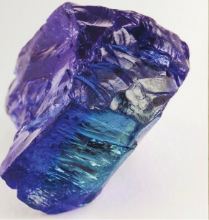 Tanzanite | 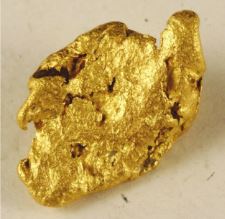 Gold | 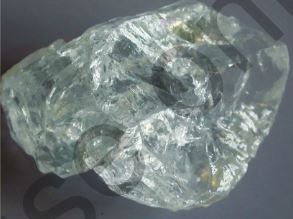 Diamond |
| Figure 1: Some of the minerals found in Tanzania | ||
Land
Tanzania is rich in land resources, including fertile land and large grazing areas. Tanzania has fertile soil suitable for cultivating various crops like coffee, tea, tobacco, maize, beans, sunflowers, paddy and other crops. The country also has large tracts of land for raising animals like cattle, sheep, and goats. Some areas in Tanzania are designated as wildlife parks and reserves, protecting plants, animals, and other living organisms. Other land is used for human settlements, industries, and businesses. Thus, land is an essential resource that contributes to Tanzania’s economic growth and the well-being of communities and improves the lives of individuals.
Water
Water is an essential resource for all living things, including humans, animals and plants. Tanzania has many water resources found in different areas, sources, and regions of the country, including dams, rivers, lakes, the ocean and groundwater. Water resources contribute to the country’s economy and people’s daily lives. The Indian Ocean, Lake Victoria, Lake Tanganyika, and Lake Nyasa are some of the significant water bodies. There are also rivers, including Rufiji, Ruvuma, Malagarasi, Ruvu, Wami, Kagera and Pangani, and large dams like Julius Nyerere Hydropower, Mtera, NyumbayaMungu and Kidatu. People and other living organisms use water to sustain their lives.
Additionally, the water resources support the development of the blue economy-related sectors. The blue economy in Tanzania involves a wide range of sectors related to the use of oceans, coasts and fresh waters like rivers, lakes and dams. The blue economy-related sectors include fishing, transportation, tourism, agriculture and energy, essentially electricity generated from water, natural gas and oil. The blue economy also contributes to improving livelihoods and employment, at the same time as emphasising the preservation of biodiversity and promoting sustainable use of water resources.
Forests
A forest is an area with a collection of many large and small trees, shrubs and grasses. Tanzania has various types of forests, covering about 40% of the total land. These forests include mountain forests, miombo woodlands, and mangroves. The forests provide shelter for many animals and other living organisms, making them essential for wildlife and other living things. Forests are valuable as they provide wood for construction, firewood for cooking, and medicinal plants. By absorbing carbon dioxide from the atmosphere, forests also assist in regulating the climate and maintaining the purity of the air and water. Forests are a source of income for many people who engage in beekeeping, harvesting fruits, and gathering other natural forest-related goods. Forests are therefore important for the local population in their respective areas and they conserve the environment.
Wildlife
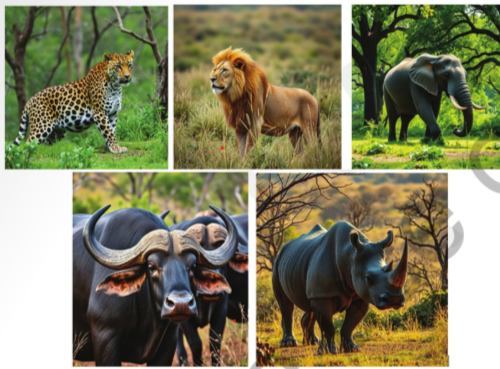
Wildlife are natural resources, which include all animals and birds that live in a natural environment without being introduced by humans. Some examples of wildlife include elephants, lions, rhinos, buffalo, leopards, antelope, zebras, giraffes, ostriches and many others. Tanzania is home to famous African wildlife including the animals known as “The big five”, which are the lion, elephant, rhino, buffalo, and leopard, as shown in Figure 2. The wildlife is largely found in national parks, conservation areas and game reserves covering approximately 38% of the total land area in Tanzania. Some of the national parks and conservation areas are the UNESCO World Heritage Sites, including Ngorongoro Conservation Area, Serengeti, Nyerere and Kilimanjaro National Parks.
Tanzania has authorities responsible for managing protected areas. The Tanzania National Parks Authority (TANAPA) manages all national parks, and the Ngorongoro Conservation Area is managed by the Ngorongoro Conservation Area Authority (NCAA). The game reserves, such as Ugalla, Moyowosi, Rungwa, Biharamulo,Ibanda, and Selous, are managed by the Tanzania Wildlife Management Authority (TAWA). Wildlife resources provide various benefits that contribute to the development of the nation through tourism, wildlife education culture national heritage and animal harvesting.
|
Figure 2: The big five animals |
Energy
Tanzania has various energy resources, both renewable and non-renewable. The country mainly depends on hydroelectric, natural gas, and biomass energy to generate electricity. Hydroelectric forms a large share of the electricity produced in the country, although its production is affected by drought conditions. Coastal areas rich in natural gas reserves have become a key energy source for the country’s electricity generation and industrial use. Biomass, particularly from wood and agricultural residues, is commonly used for cooking, especially in rural areas. In addition, Tanzania has other renewable energy sources such as wind and solar, which help the country reduce dependence on oil, gas, and hydropower.
In general, Tanzania’s natural resources significantly contribute to the economy through sectors such as agriculture, mining, tourism, and industry. The government is implementing strategies to ensure these resources are used sustainably, for the benefit of the current and future generations.
Exercise 1
- What sources of cooking energy are used by the people in your community?
- Which natural resources are the sources of energy you mentioned in question (1) above?
- Imagine your school wants to generate electricity. There are two sources: wind and coal. Which source will you suggest? Give reasons for your answer.
- Explain the benefits of wildlife resources in Tanzania.
- Explain the use of land resources in your community.
- Briefly explain how you will efficiently use the available natural resources in your area to generate income.
Distribution of natural resources in Tanzania
In Tanzania, natural resources are not evenly distributed across the country. Some places have abundance of certain resources, while others have very little, or none, and some have different resources. This situation is called the distribution of natural resources. The following is an overview of how natural resources are distributed in Tanzania.
Distribution of mineral resources
Tanzania is rich in mineral resources, with large deposits spread throughout the country. Important minerals include gold, which is mainly found in Bukombe, Nyang’hwale, and Mbogwe districts in Geita region. Also, gold is found in Bunda, Tarime, and Butiama districts in Mara region, and at Bulyanhulu in Misalala council Kahama district in Shinyanga region. In addition, gold is found in Mpanda district in Katavi region; in Amani area between Mheza and Korogwe districts in Tanga region; in Sekenke area in Iramba district in Singida region; and Chunya district in Mbeya region. This makes gold one of the Tanzania’s main export products.
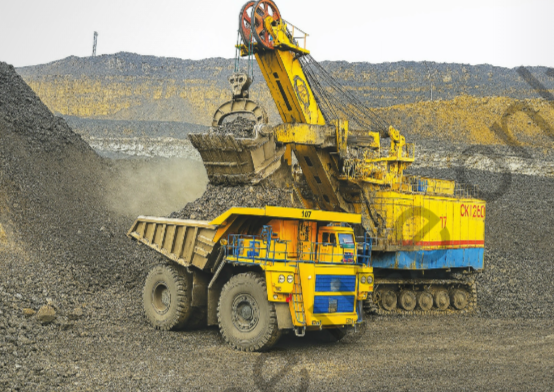
Tanzanite is another valuable mineral resource found in Tanzania. It is found only at Mererani area in Simanjiro district, Manyara region. This mineral is important to Tanzania’s identity, as it is not found elsewhere. Moreover, there are large deposits of coal in the southern and western regions, such as Mchuchuma in Ludewa district, Njombe region; Kiwira in Rungwe district, Mbeya region; Tunduma in Momba district Songwe region; and Ngaka in Mbinga district, Ruvuma region. Coal contributes to Tanzania’s economy through its use in industries and export activities. Figure 3 indicates coal mining.
|
Figure 3: Coal mining |
Diamonds in Tanzania are found mainly in Mwadui in Kishapu district, Shinyanga region. Mwadui continues to be one of the primary sources of diamond production in Tanzania.
Uranium minerals are found primarily in the Manyoni district in Singida region, the Bahi district in Dodoma region, and the Namtumbo district in Ruvuma region. Currently, uranium minerals are being explored for energy production purposes, although their extraction is still in development.
Iron minerals are found in Liganga in Ludewa district in the Njombe region. These areas are famous for having a large reserve of iron minerals. Liganga’s iron is expected to contribute to the country’s industrial sector.
Tanzania is also famous for various gemstones, including rubies and sapphires. Rubies are found in Tunduru and Songea districts in Ruvuma region, as well as in rural Morogoro and Ulangadistricts in Morogoro region. Sapphires are found in Tunduru district in Ruvuma region. Both rubies and sapphires are very popular in international markets.
Other minerals in Tanzania include salt found in Bagamoyo district in Pwani region, Mikindani in Mtwara region, Kilwa and Lindi districts in Lindi region, and Uvinza in Kigoma region. Phosphate minerals, which are used to produce fertilizers, are found in Tanga and Lindi regions. Calcium sulphate (gypsum) is found in the Mbeya and Rukwa regions, while limestone is found in Tanga, Mbeya, and Arusha regions.
Activity 3
Draw the map of Tanzania, then use different colours to indicate the distribution of gold, diamond, tanzanite, coal, uranium, and salt mineral deposits.
Distribution of water resources
Tanzania’s water resources include groundwater, dams, rivers, lakes, and the ocean. The following is the distribution of water resources in Tanzania.
Dams
Tanzania has many large and small dams in various areas across the country. These dams assist in irrigation farming, fishing activities, electricity production, and other human uses. Some of the important dams found in the country include;
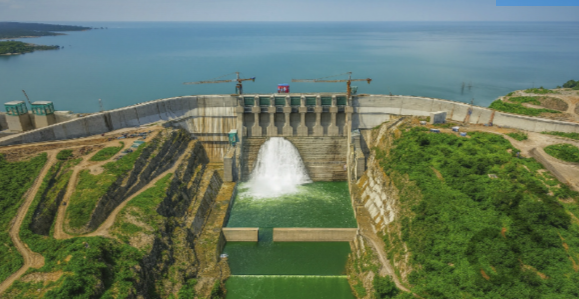
The Julius Nyerere Hydropower Project (JNHPP) is the largest hydropower dam project for Tanzania, aiming to meet the growing energy demands and reduce power shortages in the country. It is located at Stiegler’s Gorge on the Rufiji River. The dam creates a water reservoir with a storage capacity of about 34 billion cubic meters, covering an area of approximately 1,200 square kilometers. The dam also helps in the control of floods. Figure 4 indicates a part of the Julius Nyerere Hydropower Project.
|
Figure 4: Julius Nyerere Hydroelectric Power Project |
Mtera dam
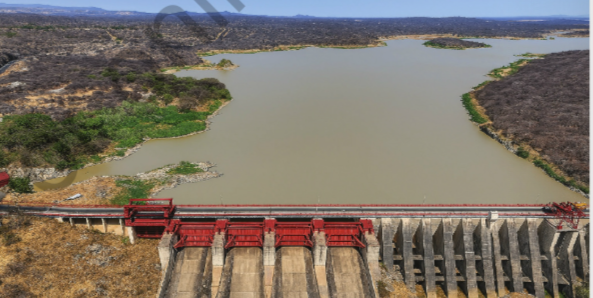
This dam is located in Chamwino and Mpwapwa districts in Dodoma region and Iringa district in Iringa region. The source of the Mtera dam is the Great Ruaha River. Mtera dam covers an area of 660 square Kilometres and is one of the dams used for electricity generation through the Mtera Hydropower Project. In addition, the dam supports fishing activities and irrigation agriculture in nearby areas. Figure 5 indicates a part of Mtera dam.
|
Figure 5: The Mtera dam |
NyumbayaMungu dam
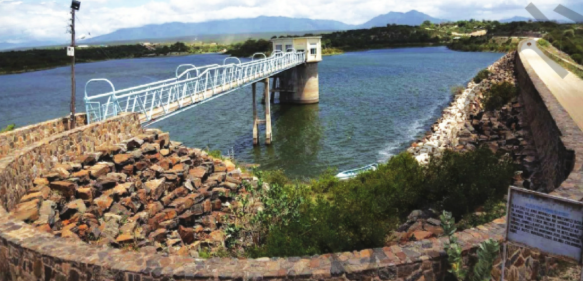
NyumbayaMungu dam is located in Mwanga district in Kilimanjaro region. Its sources are the Kikuletwa and Lumi rivers. The dam covers an area of 180 square kilometres. It is one of the major dams for electricity generation and is used for irrigation agriculture, mainly in Kilimanjaro and Tanga regions. Figure 6 indicates the NyumbayaMungu dam.
|
Figure 6: The NyumbayaMungu dam |
Kidatu dam
The Kidatu dam is located in Kilosa district in Morogoro region. Its source is the Great Ruaha River. The dam covers an area of 10 square kilometres and is used for electricity generation through the Kidatu Hydropower Project. In addition, it contributes to flood control and water distribution for agricultural purposes. Figure 7 indicates the Kidatu dam.
|
Figure 7: The Kidatu dam |
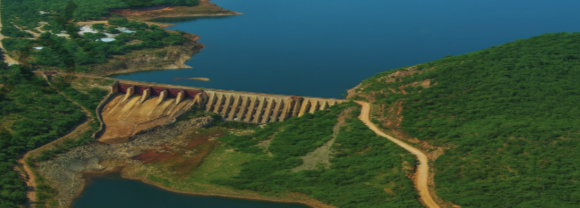
Hombolo dam
Hombolo dam is located in the city of Dodoma, in Dodoma region. Its source is the Kinyasungwe River. This dam is important for irrigation agriculture, watering livestock, fishing, and domestic use in this drought-prone area. Figure 8 indicates the part of the Hombolo dam.
|
Figure 8: The Hombolo dam |
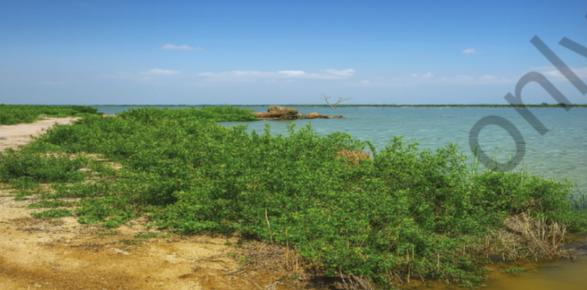
Rivers
Tanzania has many important rivers that provide water services for human beings, industry, animals, and plants. These rivers flow across various districts and regions in the country. Here are some notable rivers in Tanzania, along with their sources, pathways, and endpoints.
Rufiji River
The Rufiji is the longest river in Tanzania, originating from the Udzungwa Mountains in Iringa and Mororo regions. The tributaries of the Kilombero, Luwegu, and Great Ruaha rivers form the Rufiji River, flowing through various regions, including Morogoro and Pwani regions. The river empties into the Indian Ocean through the Rufiji Delta in the Pwani region. The Rufiji River is important for irrigation in the areas it passes, particularly in the Kilombero valley and in the Lower Rufiji basin, which are famous for rice cultivation. Moreover, the Rufiji River basin is home to diverse wildlife and supports ecological systems. Moreover, the Rufiji River contributes to various hydropower projects, such as the Julius Nyerere Hydroelectric Power Project.
Ruvuma River
The Ruvuma River begins as a small stream in the Matogoro mountains in southern Tanzania, near Songea town. It flows towards the Namtumbo district and the neighbouring country of Mozambique. On the Mozambique side, it empties into the Indian Ocean. The river is significant for Tanzania as it forms a natural border between Tanzania and Mozambique in the southern part of the country. The Ruvuma River is also essential for irrigation, supplying water for domestic use, and supporting ecological systems in the region.
Wami River
This river originates in the Uluguru Mountains in the Morogoro region, where various streams join to form a single river that flows southeast, passing through the Morogoro and Pwani regions. In Pwani region, the river crosses in Chalinze and Bagamoyo districts, and finally the river empties into the Indian Ocean through Wami Delta near Bagamoyo town. The Wami River is important for agricultural activities, livestock keeping, supplying water for industrial and domestic use, and supporting ecological systems.
Ruvu River
The Ruvu River originates in the Uluguru Mountains in Morogoro region. It flows through areas of Morogoro before moving into Pwani region, and in the end empties into the Indian Ocean through Ruvu Delta. This river is important for agricultural activities, livestock keeping, fishing, and supplying water for industrial and domestic use. It also plays an important part in supporting ecological systems in the region.
Pangani River
The Pangani River is formed by two tributaries. The first tributary originates from the slopes of Mount Kilimanjaro, forming the Lumi River. The second tributary comes from the slopes of Mount Meru, forming the Kikuletwa River. Both rivers meet at the NyumbayaMungu Dam. After converging at the NyumbayaMungu Dam, the Pangani River flows southeast through Kilimanjaro region and empties into the Indian Ocean. Pangani town in Tanga region. This river is crucial for agricultural activities, livestock keeping, and hydroelectric power generation through the Hale Hydroelectric Power Station.
Great Ruaha River
This river originates in the Kipengere Mountains and flows through the Usangu plain, passing through Ruaha National Park and Nyerere National Park before joining the Rufiji River. It is one of the important rivers in Tanzania, contributing to the country's ecological system and economy.
Other rivers in Tanzania include the Kagera River, which is found in Kagera region and empties its water into Lake Victoria, The Malagarasi River, which is found in Kigoma region, flows into Lake Tanganyika, and the Mara River, which is found in Mara region, also empties into Lake Victoria.
Lakes found in Tanzania
Lake Victoria
Lake Victoria is the largest freshwater lake in Africa and the second largest in the world. The lake is positioned in Tanzania, Kenya, and Uganda. Tanzania covers approximately 49% of the lake's area, followed by Uganda by 45% and Kenya by 6% of the total area. The lake covers about 68,000 square kilometres. In Tanzania, Lake Victoria is found in Mwanza, Kagera, Mara, Geita, and Simiyu regions. Its several significant islands, including Ukerewe Island, the largest island in Lake Victoria and Tanzania in general, covering about 530 square kilometres, and is among the districts in Mwanza region, as well as the Saanane Island, which is a national park. Additionally, Lake Victoria is one of the primary sources of the Nile River, which flows through South Sudan, Sudan, Ethiopia and Egypt before ending in the Mediterranean Sea.
Lake Tanganyika
Lake Tanganyika is the East African Rift Valley Lake, located in the western part of Tanzania, in Kigoma, Rukwa, and Katavi regions. The lake is also found in the Democratic Republic of Congo (DRC), Burundi, and Zambia. Tanzania covers about 46% of the lake's area, approximately 32,900 square Kilometres, making it the most significant portion compared to other countries. Lake Tanganyika is the longest freshwater lake in the world, stretching 673 Kilometres from North to South. Similarly, Lake Tanganyika is also the second deepest lake in the world and the first deepest in Africa with a depth of 1,470 meters.
Lake Nyasa
Lake Nyasa is the East African Rift Valley lake, covering an area of about 29,600 square Kilometres. It is the third largest and second deepest lake in Africa, following Lake Tanganyika. Tanzania shares approximately 50% of its area. Lake Nyasa forms part of the southern border between Tanzania and Malawi. In Tanzania, Lake Nyasa is found in the regions of Ruvuma (Nyasa districts), Mbeya (Kyela district), and Njombe (Ludewa district).
Lake Rukwa
Lake Rukwa is located in the East African Rift Valley in southwestern Tanzania. It is situated within the regions of Rukwa, Songwe, and Katavi. This saline lake is known for its high salinity and presence of soda ash. Half of the lake lies within the boundaries of Katavi National Park, making it an important ecological area. Other Important lakes in Tanzania include Lake Manyara, Eyasi and Natron.
Lake Manyara is a saline and soda lake in the East African Rift Valley, within the Manyara Arusha regions, near MtowaMbu and Karatu towns. The lake is known for its unique ecosystem and is home to various bird species such as the flamingo. This lake is part of Lake Manyara National Park, which is known for its diverse wildlife and scenic landscapes.
Lake Eyasi is also a saline lake found in the Karatu district, in the Arusha Region in northern Tanzania. The lake lies within the Rift Valley, southwest of the Ngorongoro Conservation Area. Lake Natron is a highly saline and alkaline lake in northern Tanzania, the Arusha Region, and the Ngorongoro district bordering Kenya. The lake is within the East African Rift Valley, near OldoinyoLengai volcanic mountain. The lake is famous for its remarkable red or pink coloured water caused by salt-loving microorganisms such as cyanobacteria. These organisms produce special pigments that appear red or pink, especially when the water decreases and the salt increases.
All these lakes play an essential role in promoting the blue economy. For instance, fishing is a source of income for communities around these areas and contributes to the national economy. Also, these lakes facilitate transportation services and tourism; for example, the clear water and sandy beaches attract tourists to the Mbamba Bay area in the Ruvuma region. Figure 9 shows the distribution of rivers and lakes found in Tanzania.
|
Figure 9:Distribution of rivers and lakes in Tanzania |
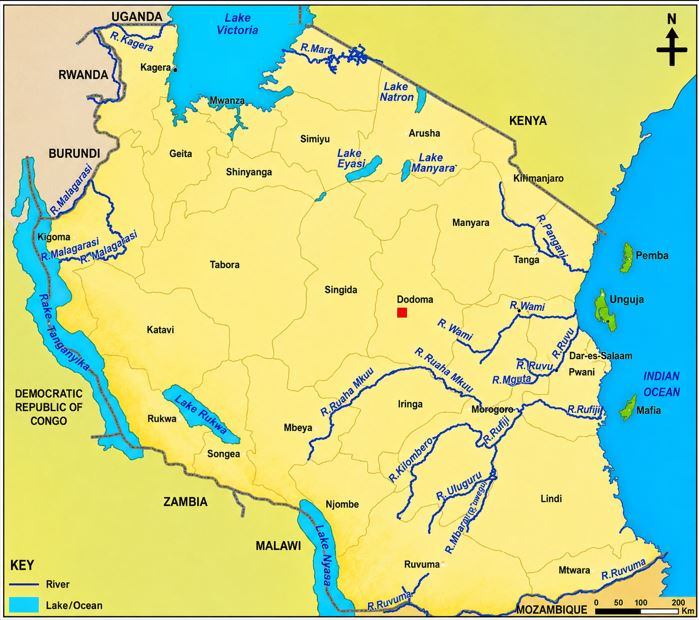
Overall, Tanzania is rich in water resources that contribute to the nation's development, particularly in agriculture, energy, trade, fishing, industry, tourism, and transportation.
Activity 4
Use an Atlas or online reliable sources to read about the water resources available in your region. Then, list them and specify their distribution within the region.
Indian Ocean
The Indian Ocean is an essential water resource located on the eastern side of Tanzania. The ocean borders five regions of mainland Tanzania: Tanga, Pwani, Dar es Salaam, Lindi, and Mtwara, and it surrounds the islands of Unguja, Pemba, and Mafia, as shown in Figure 9 above. The beaches of the Indian Ocean have natural attractions, including sandy shores, mangrove forests, and coral reefs. The Indian Ocean hosts ports such as Dar es Salaam, Tanga, and Mtwara. The Indian Ocean stimulates the blue economy sectors such as transportation, fishing, trade, and tourism.
Distribution of wildlife resource in Tanzania
Wild animals are mostly found in spefic areas that have water, shelter, food and safety. They prefer to live in peaceful places with water and vegetation for their food. In Tanzania, wild animals are commonly found in national parks, conservation areas, and game reserves. These areas are designated to protect wildlife, plants, water sources, and natural environments from destruction caused by human activities. Due to their unique characteristics, these areas have become significant tourism attractions in the country. Table 1, 2 and 3 summarises some of Tanzania's national parks and conservation areas, game reseves and marine parks respectively. Figure 10 indicates the distribution of these Parks, major protected areas, and conservation areas.
Table 1: Some National Parks and Conservation Area in Tanzania
| National Park and Conservation Area | Location | Size (square km) | Attractions | Uniqueness |
| Serengeti | Northwestern (Mara, Arusha, Simiyu) | 14,763 | Migration of large herds of wild animals such as wildebeest, presence of the "Big Five" and various wildlife species | Part of a major ecological system, vast open grassland plains a UNESCO World Heritage Site, and year-round wildlife presence |
| Ngorongoro Conservation Area | Northern (Arusha) | 8,292 | Ngorongoro Crater, Empakaai and Olmoti, Maasai culture, presence of "Big Five" and other wildlife | UNESCO World Heritage Site, one of the largest and most famous craters in the world, coexistence of wildlife, livestock, and human settlements (Maasai, Sonjo, Hadzabe) |
| Kilimanjaro | Northern (Kilimanjaro) | 1,688 | Mount Kilimanjaro and birds | Africa's highest mountain (5,895 m), its diverse habitats, and a UNESCO World Heritage Site. |
| Tarangire | Northern (Manyara, Arusha, Dodoma) | 2,850 | Large elephant herds, various wildlife species, unique baobab trees, and bird species | Largest elephant herds of any park, iconic baobab trees |
| Lake Manyara | Northern (Arusha and Manyara) | 649 | Flamingos, tree-climbing lions, Lake Manyara, hippos, hot springs, and groundwater forest | Alkaline lake, suspension bridge |
| Ruaha | Southwestern (Iringa and Mbeya) | 20,226 | Large herds of elephants and buffaloes, other wildlife, the Great Ruaha River, Taiga fish species, cultural sites (Chief Mkwawa's house and Isimila) | The second largest national park in Tanzania |
| Mahale Mountains | Western (Kigoma) | 1,613 | Chimpanzees, forests, Lake Tanganyika, Mahale mountain ranges | Chimpanzee habitat, Lake Tanganyika shoreline |
| Gombe | Western (Kigoma) | 56.2 | Chimpanzees, Lake Tanganyika | Renowned for chimpanzee research |
| Mikumi | Eastern (Morogoro) | 3,230 | Various wildlife such as giraffes, zebras, lions, antelopes and eland hippos dam | Savannah landscape and flat plains |
| Nyerere | Southeastern (Morogoro, Coast, Lindi, Ruvuma) | 30,893 | Boat safaris on the Rufiji River, MwalimuNyerere Hydroelectric Dam, and a wide variety of wildlife | Largest protected wildlife area in Africa, UNESCO World Heritage Site and the largest national park in Tanzania |
| Saadani | Eastern (Coast and Tanga) | 1,100 | Beaches, Wami River delta, various wildlife and green sea turtles | Only park with both marine and savannah environments |
| Udzungwa Mountains | Southeastern (Morogoro and Iringa) | 1,990 | Dense forests, rare monkey species (Kipunji) and waterfalls | No roads inside the park, only hiking trails for mountain climbing |
| Katavi | Southwestern (Katavi) | 4,471 | Hippos, crocodiles, lions, various antelope species (hartebeest, roan antelope, sable antelope) | Remote area with abundant wildlife |
| Rubondo Island | Lake Victoria | 457 | Wildlife, including chimpanzees, sitatunga antelopes and elephants. Rare birds like hornbills, grey parrots, and fish eagles, as well as boat and canoe tourism. | Rare species such as the sitatunga |
| Saanane Island | Lake Victoria (Mwanza City) | 2.18 | Boat safaris, wildlife such as rock hyrax, lions, hyenas, monkeys and crocodiles, Klipspringer | The only national park within city boundaries |
| Kitulo | Southern Highlands (Njombe and Mbeya) | 465 | Various types of flowers, birds, and waterfalls | "Garden of God" due to its richness in flowers |
| Mkomazi | Northeastern (Kilimanjaro and Tanga) | 3,245 | Black rhinos, wild dogs and rare antelopes such as gerenuk, lesser kudu, and dik-dik | Habitat for endangered species |
| Arusha | Northern (Arusha) | 552 | Mount Meru, Lake Momela, black and white colobus monkeys | Landscape of savannah and forest |
| Burigi-Chato | Northwestern (Geita) | 4,707 | Hippos, birds | New national park in Tanzania |
| Ibanda-Kyerwa | Western (Kagera) | 294 | Kagera River and various wildlife, including leopards, lions, hippos, and buffalo | Remote area with serene and unique landscapes |
| Rumanyika-Karagwe | Western (Kagera) | 247.5 | Wildlife, many ponds, and mountains | Quiet landscape near the Uganda border |
| Ugalla River | Western (Tabora) | 3,865 | Hippos, crocodiles, lions, elephants, wild dogs, topi elands, storks, sable antelopes, roan antelopes, buffaloes, duikers, warthogs, oribis, reedbucks, bushbucks | Rivers and wetlands with abundant large hippos and crocodiles in Africa |
| Kigosi | Northwestern (Geita, Kagera, Shinyanga, Tabora) | 8,265 | Wildlife like otters, hartebeest, bushbucks, waterbucks, duikers, crocodiles, hippos; Rare birds such as shoebill storks, bearded vultures, and pygmy geese; miombo woodlands | The largest wetland in East Africa, home to rare bird species such as storks |
| Jozani-Chwaka Bay | Unguja (South Zanzibar) | 50 | Red colobus monkeys, forests, birds, and butterflies | UNESCO World Heritage Site, the only national park in Zanzibar |
Table 2: Some game reserves in Tanzania
| Game reserves | Location | Area in km² |
| Ikorongo and Grumet | Mara | 5000 |
| Selous | Lindi and Pwani | 18020 |
| Maswa | Simiyu | 2200 |
| MpangaKipengere | Njombe and Mbeya | 1574.3 |
| Kijereshi | Simiyu | 82 |
| Lukwati and Piti | Songwe | 6118.9 |
| Moyowosi | Kigoma | 8000 |
| Mkungunero | Dodoma and Manyara | 743.9 |
| Swagaswaga | Dodoma and Manyara | 871 |
| Luganzo-Tongwe | Katavi, Tabora and Kigoma | 5746.2 |
| Rungwa | Singida and Mbeya | 9000 |
| Muhesi | Singida | 2000 |
| Kizigo | Singida | 4000 |
| Liparamba | Ruvuma | 570 |
| Lwafi | Rukwa | 2228 |
| LukwikaLumesule | Mtwara | 444 |
| Msanjesi | Mtwara | 210 |
| Pande | Dar es Salaam | 15 |
| Rukwa | Katavi | 4000 |
| Ugalla | Tabora | 7577.4 |
| Uwanda | Rukwa | 5000 |
| Wamimbiki | Morogoro and Pwani | 2466.6 |
| Inyonga | Katavi | 6569.9 |
| Wembere | Tabora and Singida | 5385.8 |
| Igombe | Tabora | 1367.1 |
|
Figure 10:National parks, game reserves and conservation area in Tanzania |

Activity 5
Using reliable online sources, read about the reasons and importance of the Ngorongoro Conservation Area and the Serengeti National Park being UNESCO World Heritage Sites.
Besides land-based protected areas, Tanzania has a good marine reserve system that protects marine biodiversity and provides unique tourism opportunities. These reserves are managed by the Marine Parks and Reserves Unit (MPRU). Table 3 presents some of the marine reserves in Tanzania.
Table 3. Some of the marine parks in Tanzania
| Reserve name | Location | Attractions | Unique features |
| Mafia Island | South (Coast) | Mangroves, seagrass, coral reefs, islands (Shungimbili, Nyororo) | Presence of rare creatures like hippos and colourful fish |
| Mnazi Bay | South (Mtwara) | Mangroves, saltwater | Marine environment with hippos and saltwater fish |
| TangaSilikanti | North (Tanga) | Coral reefs, colourful fish | Stunning scenery for divers |
| Dar es Salaam Marine Reserve System (DMRS) | Dar es Salaam | Islands (Bongoyo, Mbudya), military birds, coral reefs, sea cucumbers | Sea cucumbers – the largest marine invertebrates |
Exercise 2
1. Use examples to explain the difference between national parks, a conservation area, and game reserves.
2. Which National Park in Tanzania experiences migration of large herds of wildbeest yearly?
3. What unique feature differentiates Lake Manyara National Park from other national parks?
4. Which National Park is a research site for chimpanzees?
5. What characteristics distinguish wild animals known as the 'Big Five'?
Energy resource distribution
Tanzania has several energy resources, including renewable and non-renewable sources, which contribute to economic development and address electricity needs. The following are some of the important energy sources available in Tanzania.
Natural gas energy
Tanzania has rich natural gas resources, mainly found in Lindi and Mtwara regions, where the first discoveries were made in 1974 in SongoSongo Island (Lindi) and 1982 in the Mnazi Bay area (Mtwara). Presently, more natural gas deposits have been discovered in deep-water areas of the Indian Ocean in these two regions. Natural gas is important for the national economy as it generates about 50% of the country's electricity through gas processing plants, such as those in Madimba (Mtwara). Natural gas is used in industries, transportation (including cycle rickshaws and vehicles) and cooking. Natural gas also contributes to national revenue through export to neighbouring countries such as Burundi, Malawi and Uganda. Tanzania also aims to increase natural gas exports to the Democratic Republic of the Congo, Kenya, and Zambia.
Oil energy
Oil exploration activities in Tanzania began in 1952. Until now, Tanzania has signed contracts with various companies for oil exploration. However, Tanzania still plays a significant part in the East African Crude Oil Pipeline (EACOP) project, which runs from Hoima in Uganda to the Tanga region in Tanzania. The implementation of this project started in 2022 and is estimated to be completed by 2026. Upon the completion of the project, it will contribute to the development of the economy and energy sectors in Tanzania.
Hydropower, solar, and wind energy
Water, solar, and wind projects are essential for promoting the energy sector in Tanzania. For example, there is wind power project in the Singida region. In addition, the Julius Nyerere Hydropower Project on the Rufiji River. Moreover, more hydroelectricity is produced at the Mtera, NyumbayaMungu, and Kidatu dams.
The relationship between Tanzania’s natural resources and development activities
Tanzania’s natural resources are essential to the country’s development activities. Fertile land, minerals, water, and forests provide a solid foundation for the growth of various sectors, including agriculture, fishing, construction, energy, tourism, and industry. The effective use of these resources encourages economic growth, social well-being, and environmental sustainability. The following are some development activities triggered by natural resources availability in Tanzania.
Developments in the fishing sector
Natural resources in Tanzania play a crucial role in the development and sustainability of the fishing sector. Water resources are the mainstay for the development of this sector and for promoting the blue economy. Major lakes such as Lake Victoria, Tanganyika, and Nyasa are habitats for various fish species, including Nile perch, tilapia, catfish, sardine, kampango, kamongo, migebuka, and others. Rivers like Rufiji, Ruvuma, Wami, Ruvu, and Pangani also contribute to fishing, providing species like mudfish, lungfish, kumba, pale, kambale, perege, kamongo, ngogo and kitoga. The Indian Ocean offers opportunities for catching fish such as octopus, crabs, prawns, tasi, vidu, changu and kolekole. These water resources serve as breeding and production grounds for fish, ensuring the long-term viability of the fishing sector. Fish provide food for communities and are also domestically and internationally, increasing individual and national income. In addition, the development of fisheries sector and the blue economy largely depend on the availability and proper management of water resources.
Developments in the agricultural sector
The presence of fertile land, nutrient-rich soil and favourable climatic conditions has contributed to the successful crop production such as maize, rice, potatoes, cassava, coffee, tea, tobacco, sunflowers, beans, vegetables, and fruits. Tanzania also has water resources from rivers, lakes, and groundwater, which are used for irrigation, especially in areas with low rainfall. These natural resources support subsistence and commercial agriculture and employ many of the population. Better management and investment in these resources are essential to increase opportunities within the agricultural sector and promote the blue economy in Tanzania.
Developments in the mining sector
The presence of many mineral deposits in Tanzania provides a solid basis for the growth of the mining sector, which is one of the key contributors to economic development. Gold, in particular, has contributed to the country's revenue by providing export products and attracting significant foreign investment. The mining of tanzanite, a precious gemstone found only in Tanzania, has placed the country on the global map as a leader in mining these rare minerals. The mining sector also benefits from a large reserve of coal, which is used for industrial electricity production and export. The availability of minerals such as limestone and phosphates has also supported the growth of industries like cement manufacturing and fertiliser production, thereby contributing to the expansion of the mining sector. Thus, with good management and investment in Tanzania's mineral resources, there is a potential for significant economic development and job creation, and poverty reduction.
Developments in the energy sector
Energy resources such as oil, natural gas, and coal, are essential in meeting the country's growing energy demands. Natural gas, in particular, has become a primary energy source for electricity generation, as it is used in gas-fired power plants, providing a cleaner and more efficient alternative to traditional energy sources like biomass, charcoal, and firewood. In addition to natural gas, Tanzania also has large coal reserves, which are utilised for industrial energy production and export. These resources are essential for expanding the national grid, increasing electricity access, and improving energy security in the country.
Tanzania is also rich in renewable energy resources, including solar and wind. Biogas is also a renewable energy resource found in Tanzania which is produced from animal wastes, food wastes and sewage wastes. These forms of energy have a large capacity for electricity production. Due to several rivers, dams, and lakes suitable for power generation, the country has great potential to generate electricity using hydropower. Solar and wind energy availability can also support the development of clean and sustainable energy. The availability of these natural resources presents an opportunity for the country to reduce dependence on imported energy. This promotes economic growth through affordable and reliable energy sources.
Developments in the industrial sector
Tanzania is endowed with numerous natural resources that contribute to the development of the industrial sector. Various minerals such as gold, diamonds, tanzanite, coal, and other industrial minerals like limestone, phosphates, and salt serve as raw materials for different industries. Gold and precious gemstones, for example, contribute to the growth of the jewellery industry, while limestone is used in cement manufacturing. The availability of salt and phosphates aid in the chemical and fertiliser production industries, which are required for agriculture.
The abundant water resources in the country provide essential support for water dependent sectors, such as beverage production and food processing industries. The existence of forests also supplies raw materials for the wood and paper industries. Similarly, extensive agricultural lands support processing industries related to food, textiles, and other agricultural products. Examples of processing industries include the Bakhresa Food Products beverage processing plant located in Mwandege, in Mkuranga district, in Pwani region; the TANICA coffee processing plant in Bukoba municipality, Kagera region; and the Mtibwa sugar factory in Mvomero district and Kilombero sugar factory in Kilombero districts, Morogoro region.
The development of these industries contributes to job creation, economic growth, and the domestic and international trade sectors. Effective management and investment in these resources are essential to maximize Tanzania's industrial sector's potential.
Developments in the tourism and wildlife management sector
Tanzania is blessed with diverse terrestrial and marine environments. The terrestrial environment includes savannas, forests, and grasslands and marine environment include the ocean and its beaches which make it a significant destination for wildlife and eco-tourism. The rich biodiversity, featuring iconic species such as elephants, lions, giraffes, buffalo, and rhinos, draws tourists worldwide. National parks like Serengeti, Ruaha, Nyerere, Tarangire, and the Ngorongoro Conservation Area are among the key sites that attract tourists and contribute mainly to the country's revenue.
Apart from terrestrial wildlife, Tanzania is also rich in marine resources such as coastal areas, Zanzibar Islands provides beautiful beaches, marine life, and coral reefs, which increase tourists' attraction and promote the tourism sector. Natural resources like freshwater lakes, such as Lake Tanganyika, Lake Nyasa, and Lake Victoria, also provide opportunities for water-related tourism, including fishing, boat safaris, and lakeside hotels.
In addition, forests and national parks play a central role in biodiversity conservation, helping to protect endangered species and maintain ecological balance, which supports the tourism sector in Tanzania.
In general, Tanzania's rich natural resources provide a basis for the growth of the tourism and wildlife management sectors, creating significant employment opportunities, improving the economy, and preserving the country's natural heritage. The effective management and sustainable use of these resources is important for the long-term success of the tourism industry in Tanzania.
Developments in the construction and infrastructure sector
Natural resources play a significant role in Tanzania’s construction and infrastructure sector. The country has essential materials such as limestone, clay, and sand, which produce cement, bricks, and other construction materials. Limestone is used for building roads, houses, and commercial buildings. In contrast, sand and clay serve as key raw materials for brickmaking. On the other hand, forests provide timber used in the construction and manufacturing of furniture and wooden products. These resources demonstrate how natural materials contribute to improving infrastructure and advancing the construction sector in Tanzania. The better use and management of these resources is needed for the sustainable development of the construction and infrastructure sector.
Developments in the business sector
The available natural resources significantly contribute to the development of the business sector in Tanzania. The presence of minerals and precious gems has created opportunities for both domestic and foreign investment. Thus stimulating businesses in the processing, transportation, and marketing sectors. Agriculture benefits from fertile land and favourable climate. This supports food processing, packaging, and distribution businesses locally and internationally. Natural resources also foster entrepreneurship and job creation, contributing to individuals’ economic growth. Proper use of these resources can help Tanzania attract more investments and strengthen local businesses. It can also help Tanzania, achieve sustainable development in the business sector.
Developments in the transportation sector
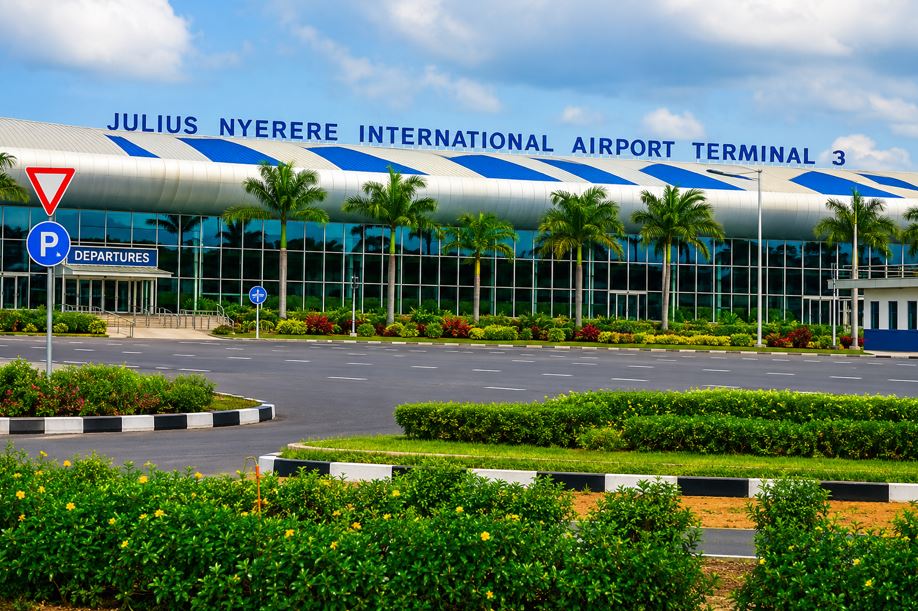
Water resources, such as lakes and rivers, play a significant role in Tanzania’s transportation sector, including the transportation of passengers and goods, especially in areas that are difficult to access by road. For example, the development of the Kigoma Port on Lake Tanganyika, which transports passengers and cargo to Democratic Republic of Congo, Zambia, and Burundi, the Mwanza Port on Lake Victoria, serves transportation to the regions surrounding Lake Victoria; and the Mbamba Bay Port located on Lake Nyasa in Ruvuma region, which facilitates water transport to Malawi. Also, coastal ports such as Dar es Salaam, Mtwara, and Tanga provide maritime transport opportunities, supporting trade within the country and international trade by connecting Tanzania to the global markets. Land resources also contribute to the transportation sector by constructing roads, railways, and airports, thus improving the country’s overall transportation infrastructure, as shown in Figures 11, 12 and 13.
|
Figure 11: Mufuga bridge in Dar es Salaam |
|
Figure 12: Julius Nyerere International Airport in Dar es Salaam |
|
Figure 13:Tanzania Standard Gauge Railway |


In summary, Tanzania's rich natural resources provide a solid foundation for developing various economic sectors and enhancing the lives of its people. Better management and strategic investment in these resources are essential for achieving sustainable economic growth in the country.
Exercise 3
1. If you were tasked to plan development projects using the water resources available in your region, what kind of projects would you propose to be established?
2. What methods can be used to ensure the sustainability of water resources in the country?
3. Provide examples of opportunities that come from forest resources.
4. In one paragraph, explain the blue economy. Use the following points:
(a) Meaning;
(b) Sectors involved; and
(c) Importance of the blue economy.
www.learninghubtz.co.tz
Revision exercise
1. Section A: Choose the letter of the correct answer
(i) . Which of the following is a non-renewable resource?
- Water
- Sunshine
- Fuel
- Wind
(ii). In which part of Tanzania, is the tanzanite mineral found?
- Bulyanhulu
- Mwadui
- Mererani
- Uvinza
(iii) . On which river in Tanzania is the Nyerere hydroelectric dam built?
- Ruvuma River
- Pangani River
- Rufiji River
- Wami River
(iv) . To promote the blue economy sector, what sustainable use of resources should we focus on?
- Minerals
- People
- Water
- Land
(v) .Which natural resources does the development of the agricultural sector mostly depend on?
- Water and minerals
- Land and energy
- Land and minerals
- Water and land
(vi) Which of the following is a renewable resource?
- Coal
- Natural gas
- Water
- Gold
(vii) Tanzanite is found only in:
- Geita
- Manyara
- Shinyanga
- Mara
(viii) Which authority manages National Parks in Tanzania?
- TAWA
- NCAA
- TANAPA
- TFS
(ix) Which of the following is a non-renewable resource?
- Forest
- Wind
- Sunlight
- Coal
(x) Which river is the longest in Tanzania?
- Pangani
- Rufiji
- Ruvu
- Wami
Section B: Matching items questions
2. Match the water resources of Tanzania listed in Column A with the corresponding countries they border in Column B.
| No. | Column A | ANSWER | Column B |
| (i.) | Lake Victoria | (a) Mozambique | |
| (ii.) | Lake Tanganyika | (b) Uganda, Rwanda and Burundi | |
| (iii.) | Lake Nyasa | (c) Kenya and Uganda | |
| (iv.) | Ruvuma River | (d) Democratic Republic of Congo, Burundi, and Zambia | |
| (v.) | Kagera River | (e) Malawi |
3. Section C : TRUE OR FALSE
- Forests help regulate climate.
- Gold is a renewable resource.
- TANAPA manages National Parks.
- Lake Victoria is the second largest freshwater lake in Africa.
- Coal is a non-renewable resource.
Section D: Short answers question
4. How do mineral resources contribute to the development of Tanzania's economy?
5. With examples, explain the natural resources found in the Ruvuma and Mtwara regions.
6. What important features differentiate Ngorongoro Conservation Area from Serengeti National Park?
7. Explain with examples how the blue economy contributes to the development of Tanzania.
8. Mention four members of the Big Five animals.
9. Explain four economic activities supported by water resources.
10. Explain four ways natural resources contribute to national development.

Hub App
 For Call,Sms&WhatsApp: 255769929722 / 255754805256
For Call,Sms&WhatsApp: 255769929722 / 255754805256  MATOKEO YA KIDATO CHA VI 2026
SECONDARY REGIONAL EXAMS
PRIMARY REGIONAL EXAMS
FORM VI NECTA REVIEWS
FORM IV NECTA REVIEWS
FORM II NECTA REVIEWS
STD VII NECTA REVIEWS
STD IV NECTA REVIEWS
SECONDARY EXAMS SERIES
PRIMARY EXAMS SERIES
PRIMARY SUBJECT NOTES
SECONDARY SUBJECT NOTES
SECONDARY TOPICAL EXAMS
SECONDARY TOPICAL QUESTIONS
PRIMARY TOPICAL QUESTIONS
PRACTICAL EXAMS & NOTES
SECONDARY REGIONAL EXAMS
DOWNLOAD SUBJECT NOTES
SCHEMES OF WORK (PRIMARY & SECONDARY)
LESSON PLAN
SECONDARY LOG BOOKS
PRIMARY LOG BOOKS
LITERARY WORKS / UCHAMBUZI VITABU
METHALI ZOTE ZA KISWAHILI
Vitendawili Vya Kiswahili
FORM VI RESULTS 2024
FORM FIVE SELECTION 2024
Matokeo KIDATO CHA II 2024
Matokeo Darasa IV 2024
MATOKEO KIDATO CHA IV 2023
FORM ONE SELECTION 2024
FORM VI RESULTS 2023
Matokeo Darasa IV 2022
MATOKEO YA KIDATO CHA VI 2026
SECONDARY REGIONAL EXAMS
PRIMARY REGIONAL EXAMS
FORM VI NECTA REVIEWS
FORM IV NECTA REVIEWS
FORM II NECTA REVIEWS
STD VII NECTA REVIEWS
STD IV NECTA REVIEWS
SECONDARY EXAMS SERIES
PRIMARY EXAMS SERIES
PRIMARY SUBJECT NOTES
SECONDARY SUBJECT NOTES
SECONDARY TOPICAL EXAMS
SECONDARY TOPICAL QUESTIONS
PRIMARY TOPICAL QUESTIONS
PRACTICAL EXAMS & NOTES
SECONDARY REGIONAL EXAMS
DOWNLOAD SUBJECT NOTES
SCHEMES OF WORK (PRIMARY & SECONDARY)
LESSON PLAN
SECONDARY LOG BOOKS
PRIMARY LOG BOOKS
LITERARY WORKS / UCHAMBUZI VITABU
METHALI ZOTE ZA KISWAHILI
Vitendawili Vya Kiswahili
FORM VI RESULTS 2024
FORM FIVE SELECTION 2024
Matokeo KIDATO CHA II 2024
Matokeo Darasa IV 2024
MATOKEO KIDATO CHA IV 2023
FORM ONE SELECTION 2024
FORM VI RESULTS 2023
Matokeo Darasa IV 2022
WHATSAPP US NOW FOR ANY QUERY
App Ya Learning Hub Tanzania